The basics
There are a lot of rules in the game of football and I mean a LOT of rules. The official NFL rulebook has about 288 pages and to make things even more complicated every league has their own set of specific rules. This can range from just small changes to pretty big ones.
Due to this complexity I’ll be explaining just the base rules so you can watch a football game and have at least somewhat of a grasp what is going on. I’ll also base my explanations based on the NFL rules as these are mostly considered the offical game rules.
To make things easier not just for me but also you as the reader, I linked a very quick 2-minute explanation video on how a game of football goes so you have a better understanding once reading the more in depth explanations of the rules and positions.
The main objective
The main objective
The primary goal of American football is simple: score more points than the opposing team by moving the ball into their end zone. Points can be earned in four ways, touchdowns, fieldgoals/PaT, 2 point conversions and safeties.
Touchdown
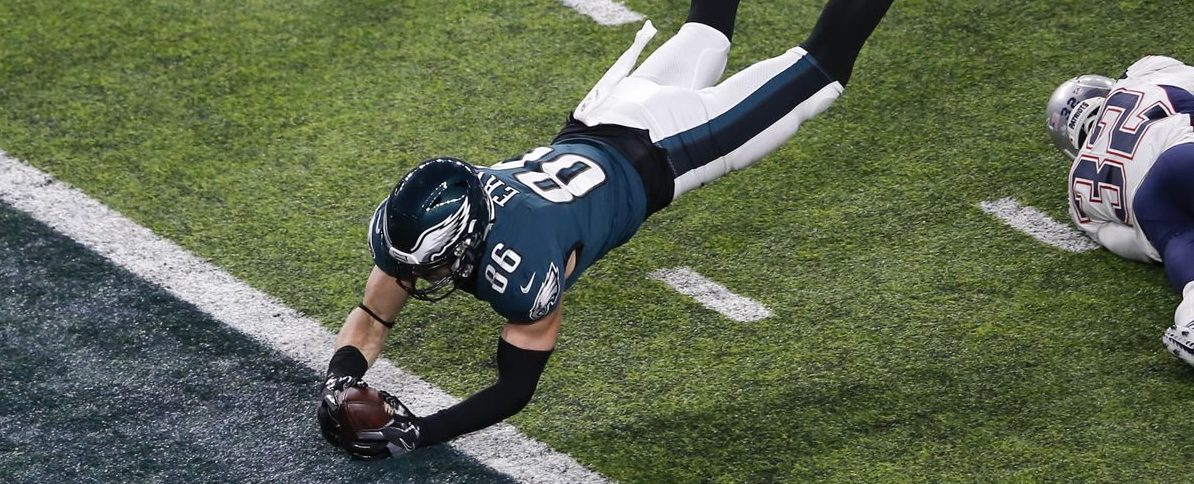
Scoring a touchdown is essentially the same as scoring a try in rugby. If you manage to carry the ball into the endzone of the opponents side of the field you score. A touchdown is worth 6 points and the most common way of scoring in football.
Fieldgoal/PaT
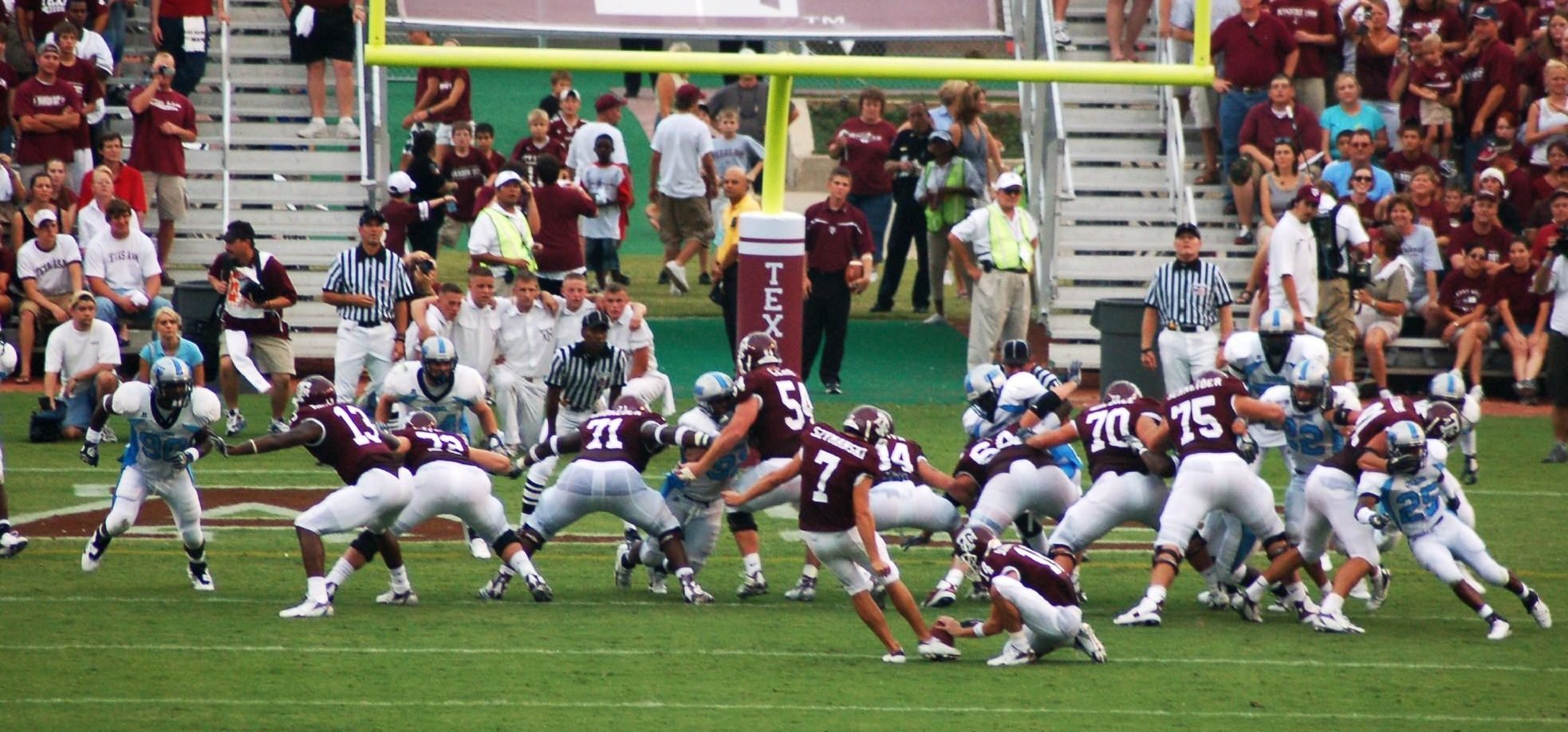
Kicking the ball between the fieldpost can score you points in two ways. One way is as a field goal which will give the team kicking the ball 3 points and is usually kicked from anywhere between 10 to 50 yards away from the goalpost.
The other way is as a so called PAT (Point after touchdown) which is a way of earning 1 extra point after the touchdown and is always kicked from the 15 yard line.
2-point conversion
Another way to earn extra points after a touchdown is by going for a 2 point conversion in which the attacking team gets 1 more play to get the ball into the endzone from the 2 yard line.
This however is only used when the attacking team is behind due to a missed PaT or it’s the end of a game and the attacking team needs as many points as they can get.

Safety
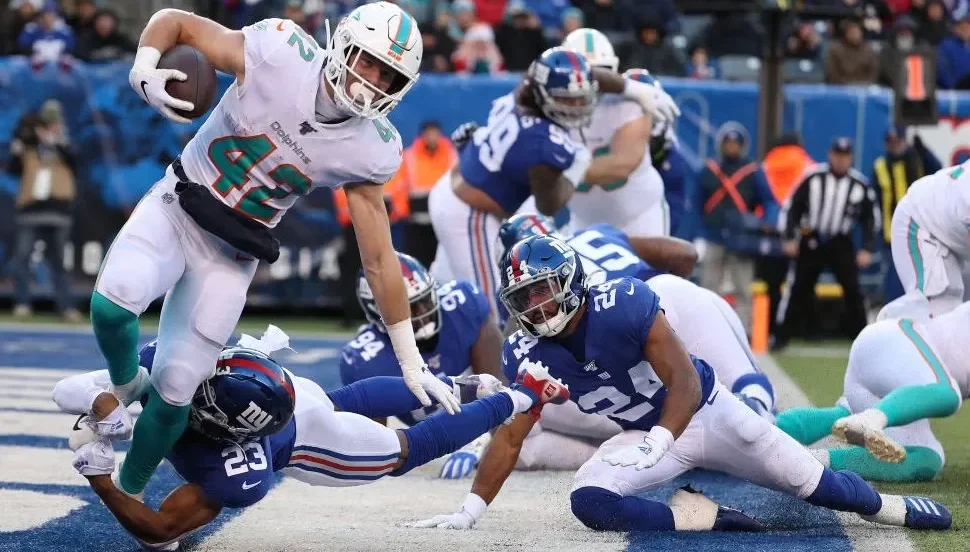
A safety is the rarest form of scoring in football and is achieved in two ways. One is when the defense manages to tackle an offensive player in their own endzone or when the ball is thrown out behind the own endzone due to a bad snap on a play. A safety is worth 2 points.
The different positions
A football team is essentially divided into three separate units: the offense, the defense, and the special teams. Below, I’ll provide a concise explanation of each of these units, their primary responsibilities, as well as the various positions within them and their specific roles. I’ll keep the explanation as simple as possible but will also include a few links at the end, which you can follow if you want a more in-depth understanding.
Offense
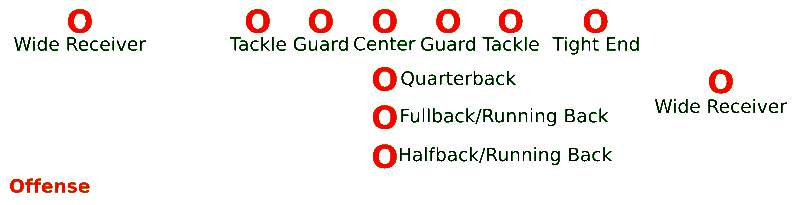
The offense like the name suggests is responsible for attacking and scoring with the football. This team consists of the following:
- Quarterback: Responsible for distributing the ball amongst the other players either by throwing it or handing it over.
- Receiver: Has to be good at running routes and catching the ball.
- Running back: Has to be good at running with the ball especially in tight spaces.
- Offensive lineman: They are responsible for protecting the ball carrier from the opposing defensive players.
- Tight end: Is essentially a mix between an offensive lineman and a receiver.
Read more about offensive positions:
Defense
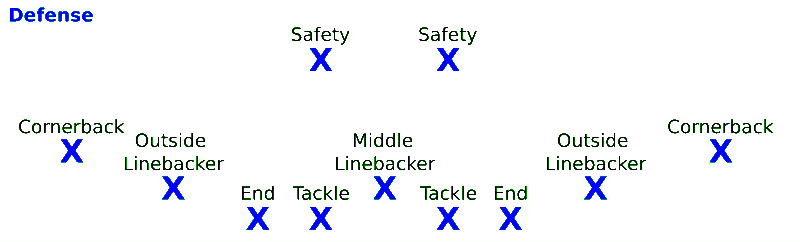
While the offense is trying to score with the ball inpossesion, the defense is trying to stop them from doing so or even better to take the ball away from the offense to give the ball to their teams offense. Following positions are important to know:
- Linebacker: Also known as the heart of the defense, these players organize the whole defense and have to be able to hold strong against the run game but also defend passes thrown into their zones
- Cornerback: Some argue the most difficult position to play in football. They are responsible for covering the opposing teams receivers and keep them from catching the ball.
- Safety: They are similiar to the cornerback in that they primarily defend against the pass but oftentimes act as the last line of defense before a touchdown happens.
- Defensive lineman: They are the opponent of the offensive lineman and their main goal is to get to the quarterback before he can throw the ball.
Read more about defensive positions:
Special teams
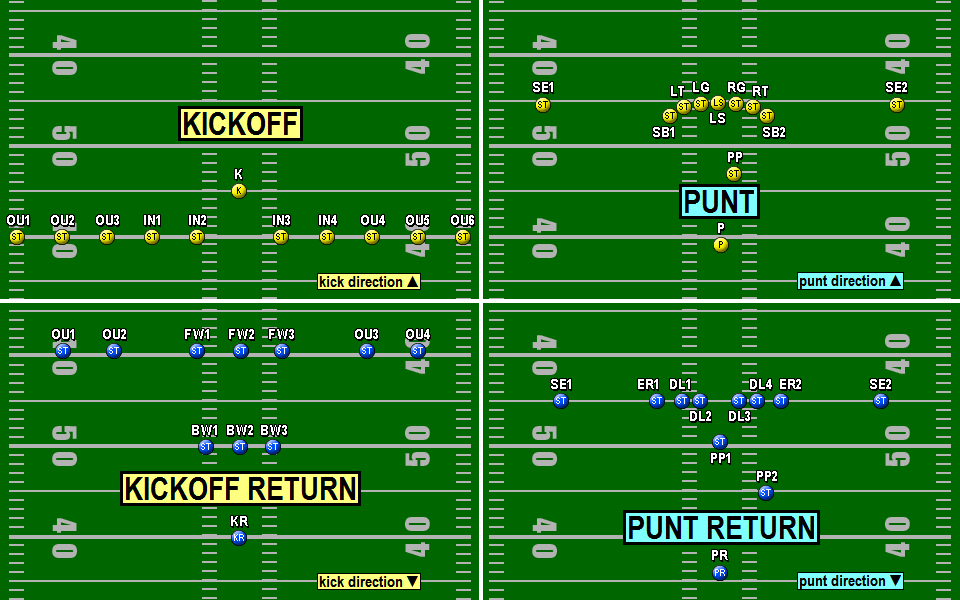
Special teams is very unique and kind of hard to explain to be honest but I’ll try my best, however I’d suggest reading the articles linked below to get a full understanding. These are the most important positions:
- Kicker: As the name suggests he is the one kicking the ball between the goalposts to score points.
- Punter: He is also kicking the ball but instead of kicking it between the goalpost he tries to kick it as far as possible into the enemy territory to give them the ball with as much room between them and the endzone as possible.
- Longsnapper: Snpas the ball from the ground to either holder or the punter to ensure a quick kick so the kick won’t be blocked.
- Holder: His only responsibility is to make sure the ball is placed properly on the floor so the kicker can get a good connection when ,kicking the ball.
Read more about special teams:
Referees
Foul or flag?
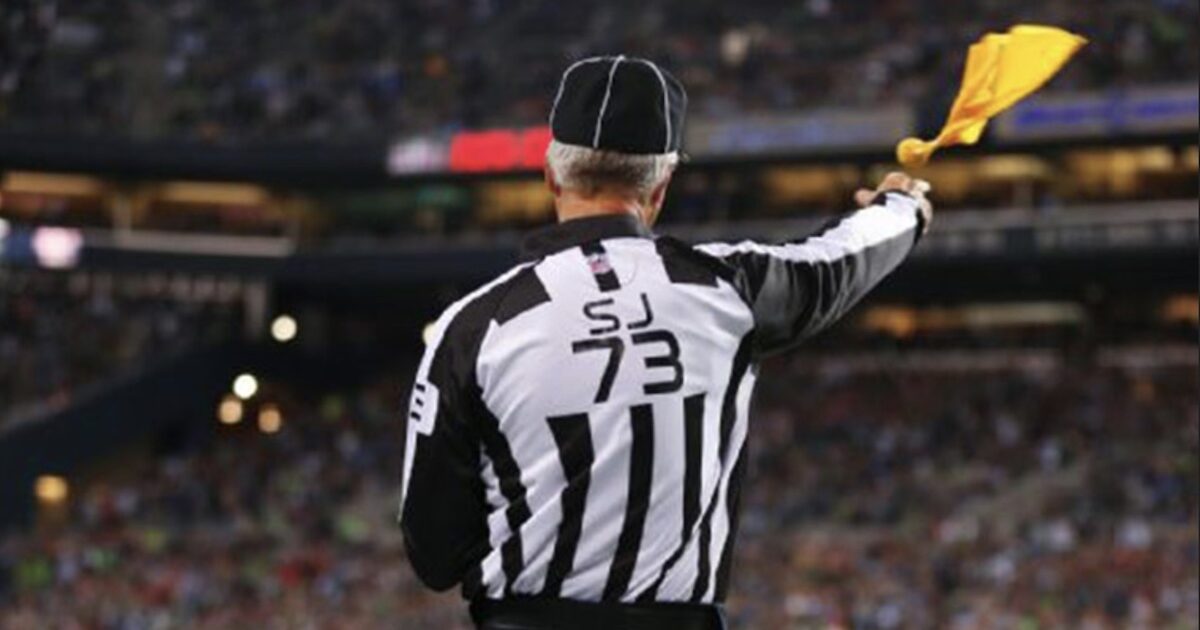
In american football fouls aren’t really called fouls. We call them flags, this is due to the nature of how they are called out. When one of the referees sees something that isn’t right most of the times he doesn’t just whistle down the play. In the case of a foul the play will just keep going and the ref will throw a yellow flag onto the field signaling that something is not within the conformity of the rulebook. Then after the play the referees will get together and discuss about the consequences of the that non conformity.
Punishments
There is a wide range of punishments in football for going against the rules but most of them will be punished with loss of yardage on the football field. Depending on the severity of the rule violation the team that has committed the flag will be penalized with either 5, 10 or 15 yards of yardage. so the opposing team will be put into a better position of winning the drive they are currently in. So a 2nd down and 10 yards might turn into a 2nd down and 15 yards if the flag was against the offense or a 2nd down and 5 yards if the flag was against the defense.
For especially severe violations the player who commited the flag can also be suspended from the field but that is only very rarely the case.