Origin and evolution of the game
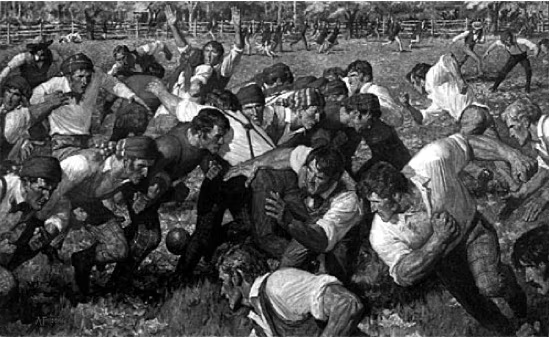
American football traces its origins back to the late 19th century, evolving from early versions of rugby and soccer played at colleges like Harvard, Yale, and Princeton. In 1869, Rutgers and Princeton played what is often considered the first intercollegiate football game, though the rules were still closer to soccer than modern football.
By the 1880s, a former Yale player named Walter Camp, often referred to as the “Father of American Football,” introduced key innovations such as the line of scrimmage, the system of downs, and the concept of eleven players per side. These changes laid the foundation for the modern game.
However, the early years of football were extremely violent and unregulated. With minimal protective gear and rough, rugby-like rules, serious injuries were common—and in some cases, even fatal. In the early 1900s, reports of player deaths led to national concern, prompting President Theodore Roosevelt to call for reforms to make the game safer. This led to the formation of the NCAA and the introduction of rules aimed at reducing brutality on the field.
Throughout the 20th century, football expanded in popularity, especially with the formation of the National Football League (NFL) in 1920. The game grew more organized and commercialized, reaching new heights with the advent of television. Today, football is a dominant force in American sports culture, with college and professional games drawing millions of viewers and fans around the world.

Player safety and the CTE crisis
As football became faster and more physically intense, concerns about player safety began to take center stage. For decades, injuries were seen as part of the game—but that began to change in the 2000s with growing evidence linking football to chronic traumatic encephalopathy (CTE), a degenerative brain disease caused by repeated head trauma.
CTE causes progressive damage to the brain, including the buildup of an abnormal protein called tau, which spreads and kills brain cells over time. This deterioration can lead to memory problems, mood disorders, impaired judgment, and eventually dementia, often years after the athlete has stopped playing.


A turning point came with the case of Mike Webster, a Hall of Fame center for the Pittsburgh Steelers. After his retirement, Webster suffered from severe cognitive and emotional issues, including memory loss, depression, and confusion. Following his death in 2002, an autopsy revealed he had CTE—making him the first NFL player to be formally diagnosed with the condition. His case, along with many others that followed, sparked national debate and major scientific research into the effects of repeated concussions in football.
These findings led to lawsuits, increased research funding, and major changes in how football is played, coached, and officiated. Rules were introduced to protect players from dangerous hits, particularly to the head and neck, and concussion protocols became standard practice across all levels of the sport.
Leagues from youth to professional levels have also embraced better medical assessments and invested in safety education. While football remains a contact sport, the conversation around safety has forever changed the way the game is approached.
The evolution of football equipment
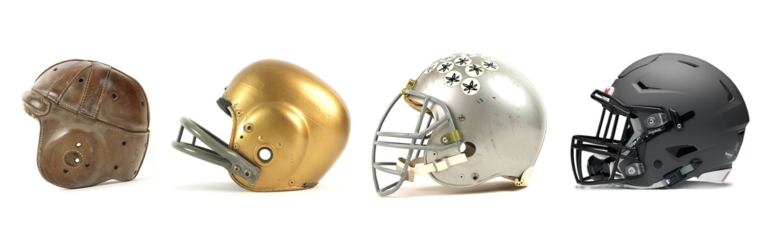
The transformation of football equipment over the years is a testament to both advances in technology and the growing emphasis on player protection. In the early days, players wore little to no protective gear—some even played without helmets.
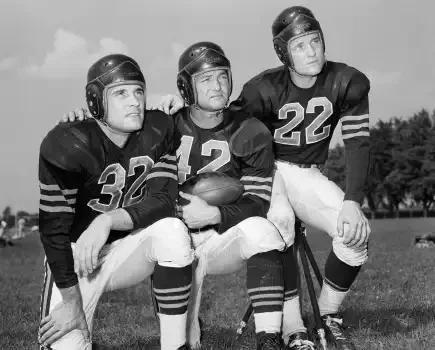
The first helmets, made of soft leather, emerged in the early 1900s but offered minimal protection. By the 1950s, plastic helmets with face masks became the norm, offering more durability and coverage. In recent years, helmet manufacturers have developed models designed specifically to reduce the risk of concussions, using advanced padding, shock-absorbing materials, and real-time impact sensors.
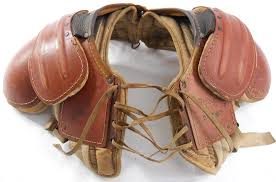
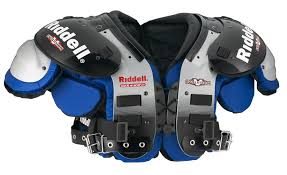
Shoulder pads have evolved dramatically. Early versions were made from thick leather and heavy foam, offering basic cushioning but limited mobility. Today’s pads are made from lightweight synthetic materials like EVA foam and durable plastics. They are contoured to the body, allowing for better range of motion while still absorbing and dispersing impact.
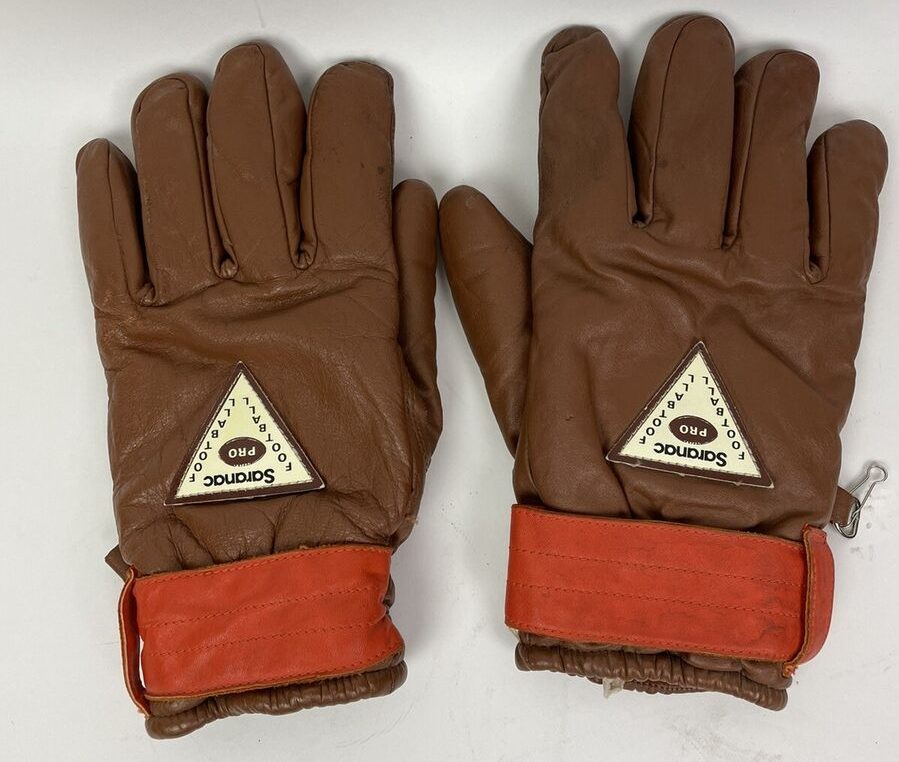
Gloves, once rare and primarily made from basic cloth or leather, have become a crucial part of a player’s gear—especially for receivers and linemen. Modern football gloves use advanced grip-enhancing materials like silicone or tackified rubber on the palms and fingers, improving control in all weather conditions. They also include breathable fabrics and moisture-wicking liners for comfort and performance.

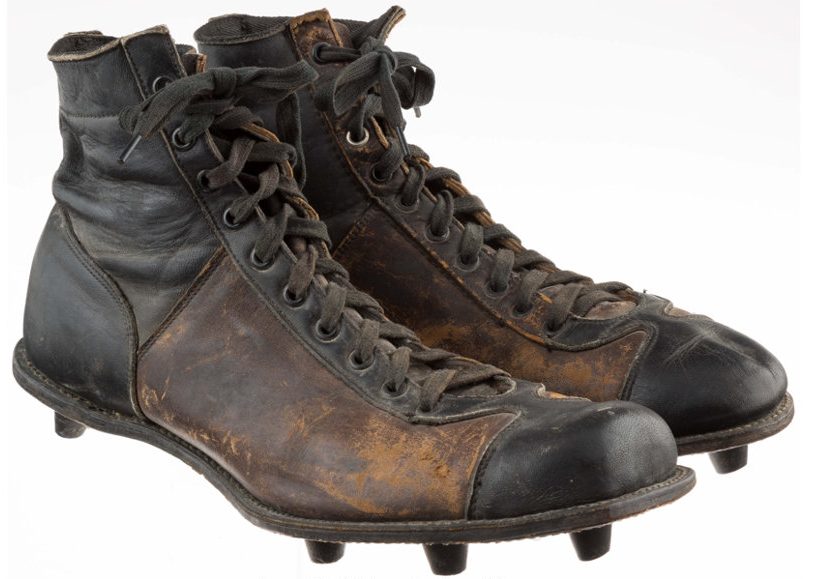
Cleats have gone through a similar transformation. Older models were often made of heavy leather with metal or molded rubber studs. Today’s cleats are crafted with lightweight synthetic uppers and interchangeable or molded cleat plates, designed for speed, traction, and position-specific performance on turf or grass surfaces.